Sandstone baptismal font (1825)
stone baptismal font, older than the current church - moved from the temple dismantled in 1828
 BrzeźnikBirkenbrück
Brzeźnik / Heritage
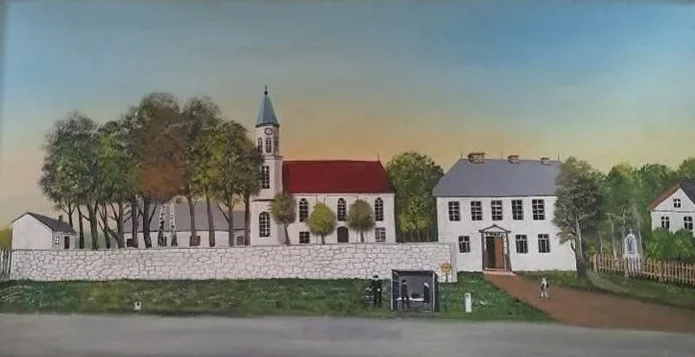
The parish, its clergy, church and cemetery, the school and the volunteer fire brigade.
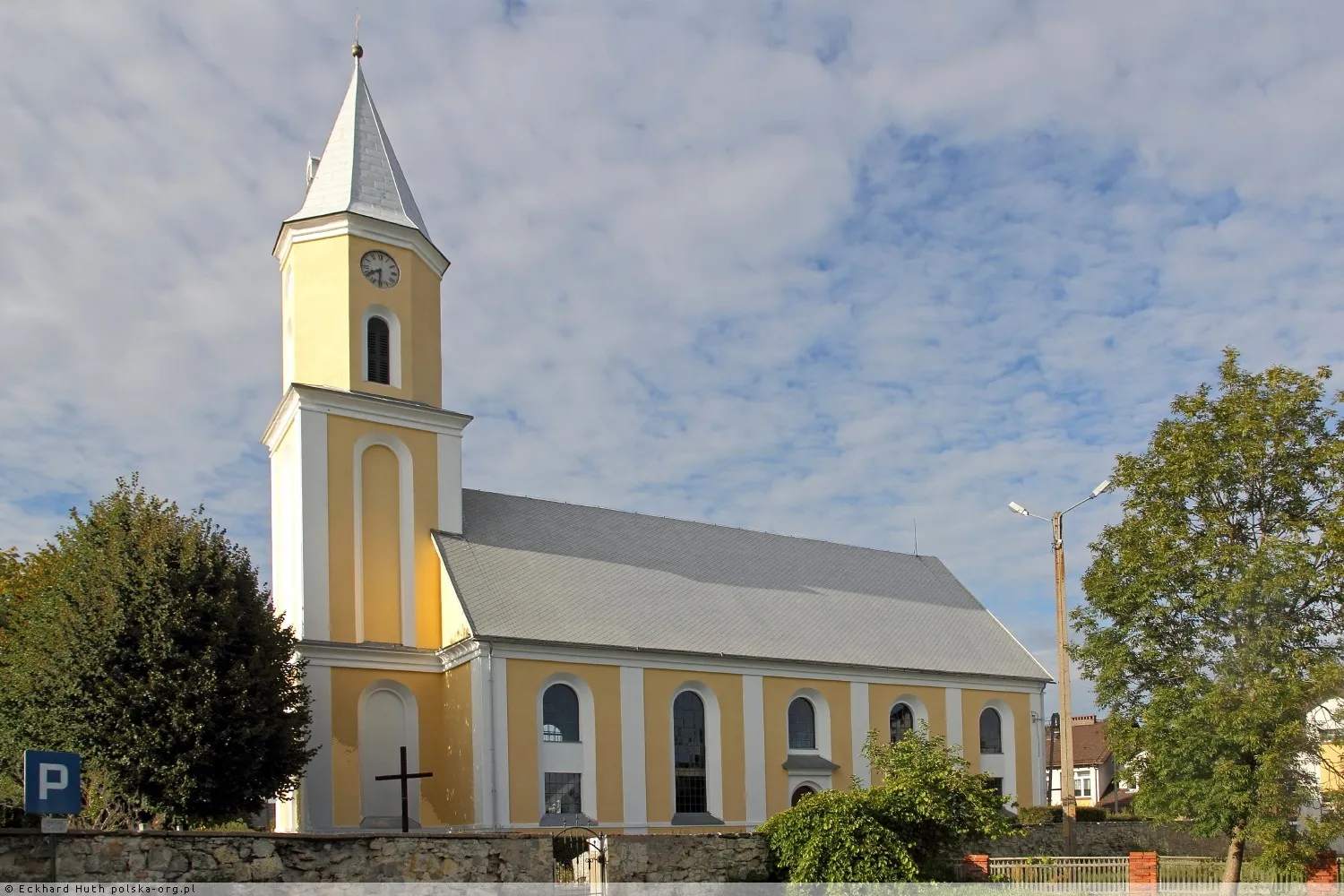
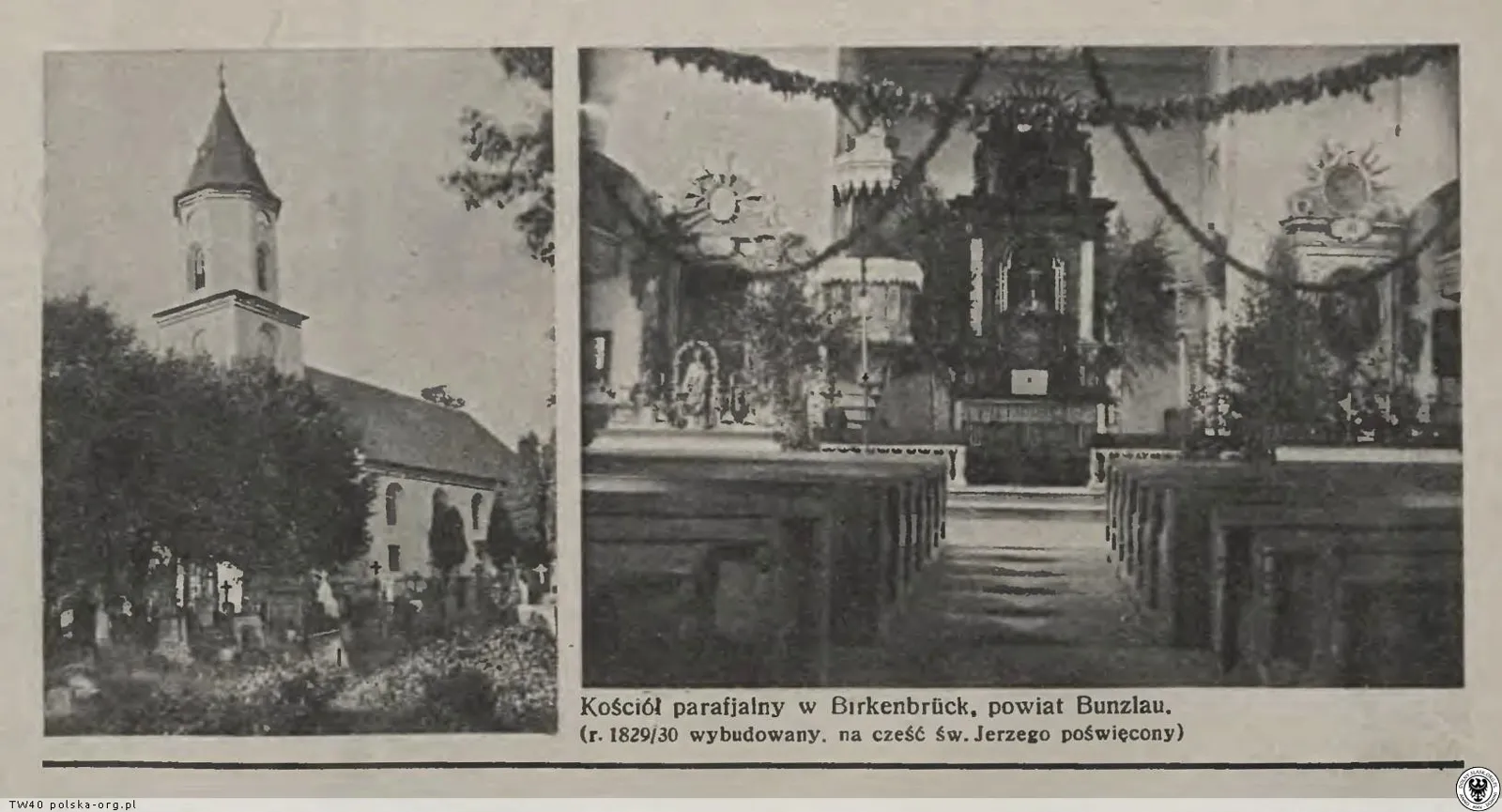
The church in Birkenbrück likely existed from the beginning of the Christianization of the area; the first pleban appears in a document from 1376. The village belonged to the Magdalenan convent in Nowogrodziec since 1265, which for centuries was also the patron of the parish.
At the turn of the 16th and 17th centuries, when no Catholic services were held in the Protestant town of Bolesławiec, Catholics from the town came to Birkenbrück. The village remained a Catholic enclave among Lutheran villages — hence the dozens of small family chapels.
In the 19th century, the St. George parish belonged to the archdeaconry of Nowogrodziec (with Nowogrodziec, Berthelsdorf, Kesselsdorf, and Seifersdorf). It included Catholics from 14 municipalities — from Osiecznica (Wehrau) and Kliczków (Klitschdorf, with a subsidiary church with records from 1735 to 1764) to Parowa (Tiefenfurth). After the dissolution of the parish in Ławszowa (Lorenzdorf, 1835/1860), the income from its endowment went to the parish priest in Birkenbrück.
After 1945, the church was taken over by Polish settlers, mainly re-emigrants from Yugoslavia and former inhabitants of the former Eastern Borderlands. Since 1966, the village has been served by the centre at the Church of Our Lady of the Rosary in Bolesławiec (Rev. Władysław Karwacki). On 1 December 1987, an independent centre was established in Brzeźnik, now the Parish of Our Lady of Perpetual Succour in the Nowogrodziec deanery of the Legnica diocese, with a filial chapel of the Exaltation of the Holy Cross in Mierzwin. The feast day is on 27 June.
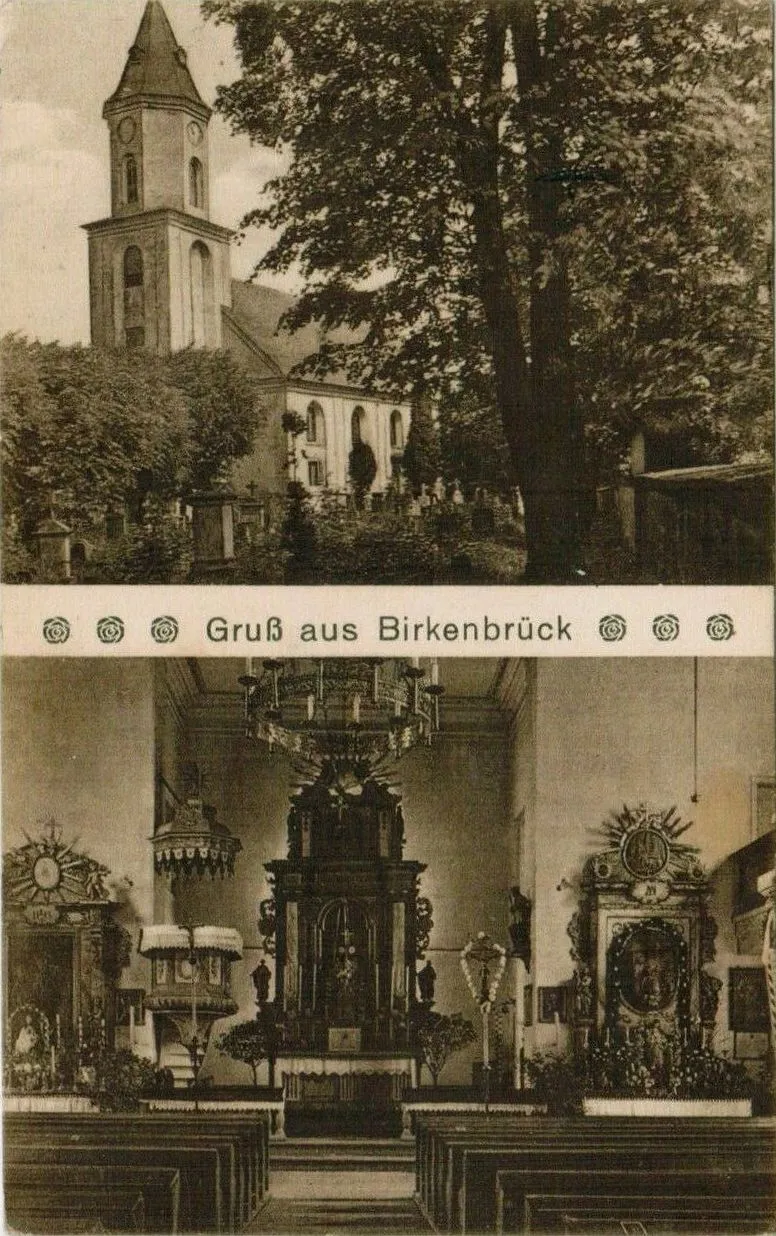
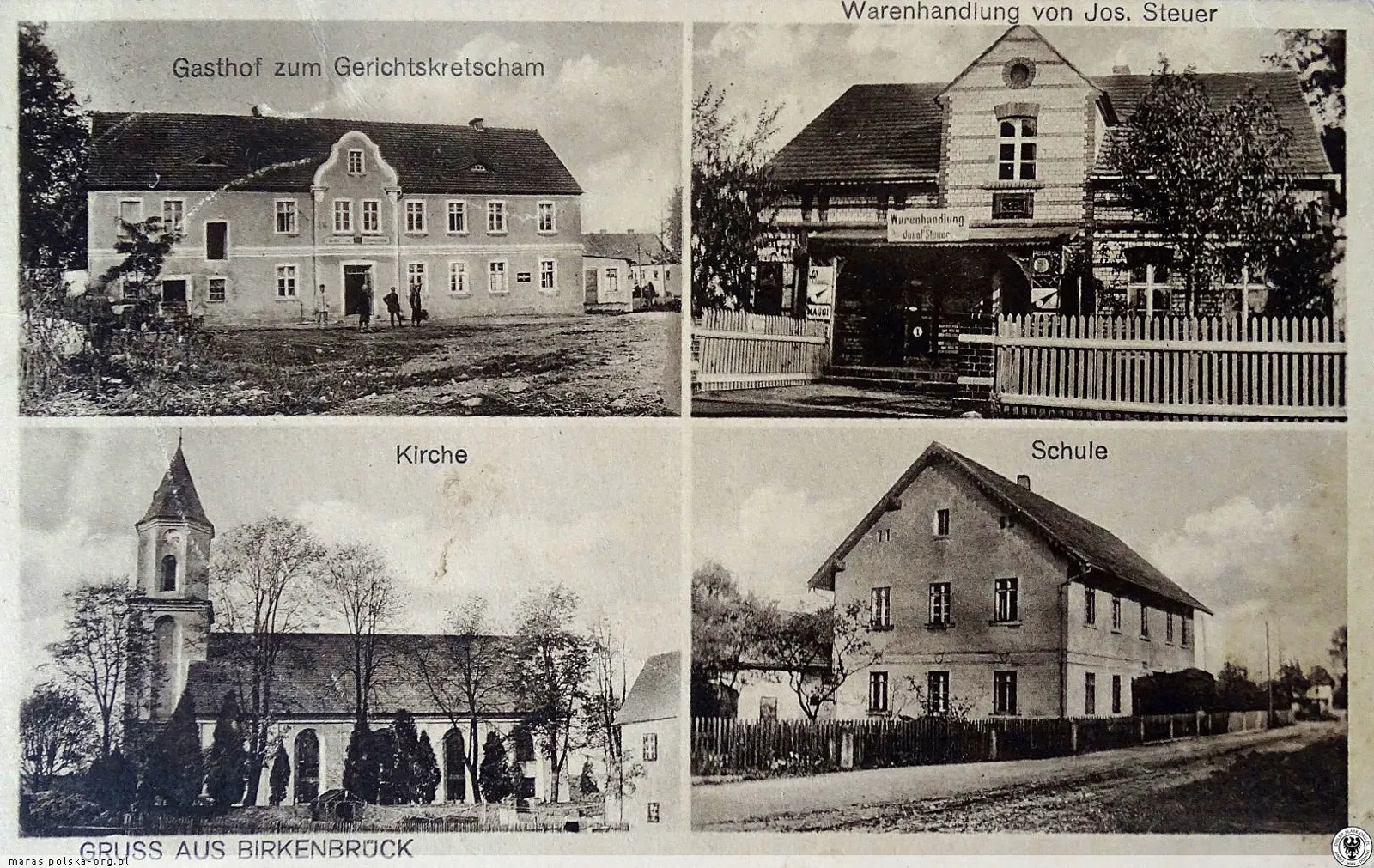
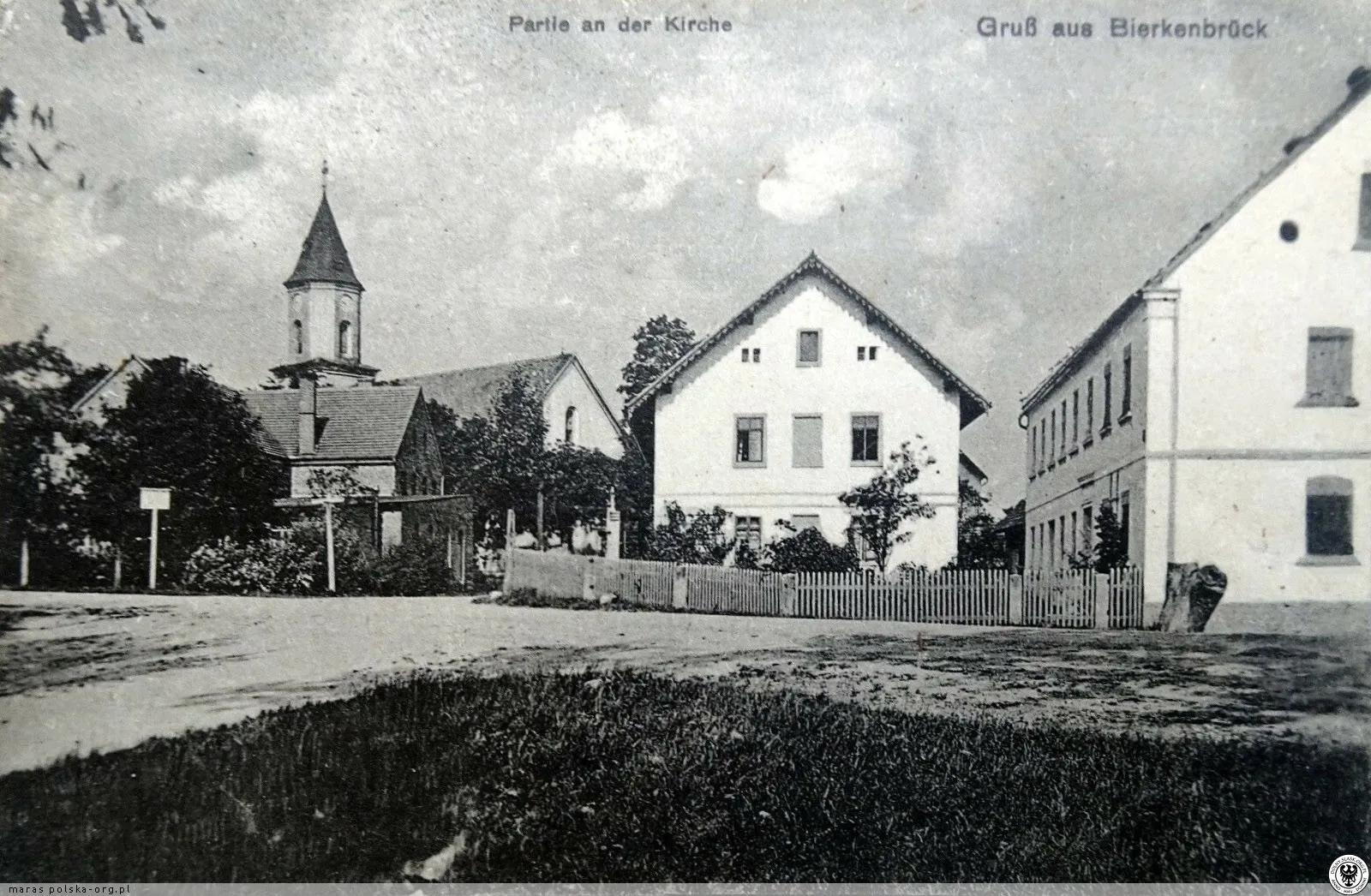
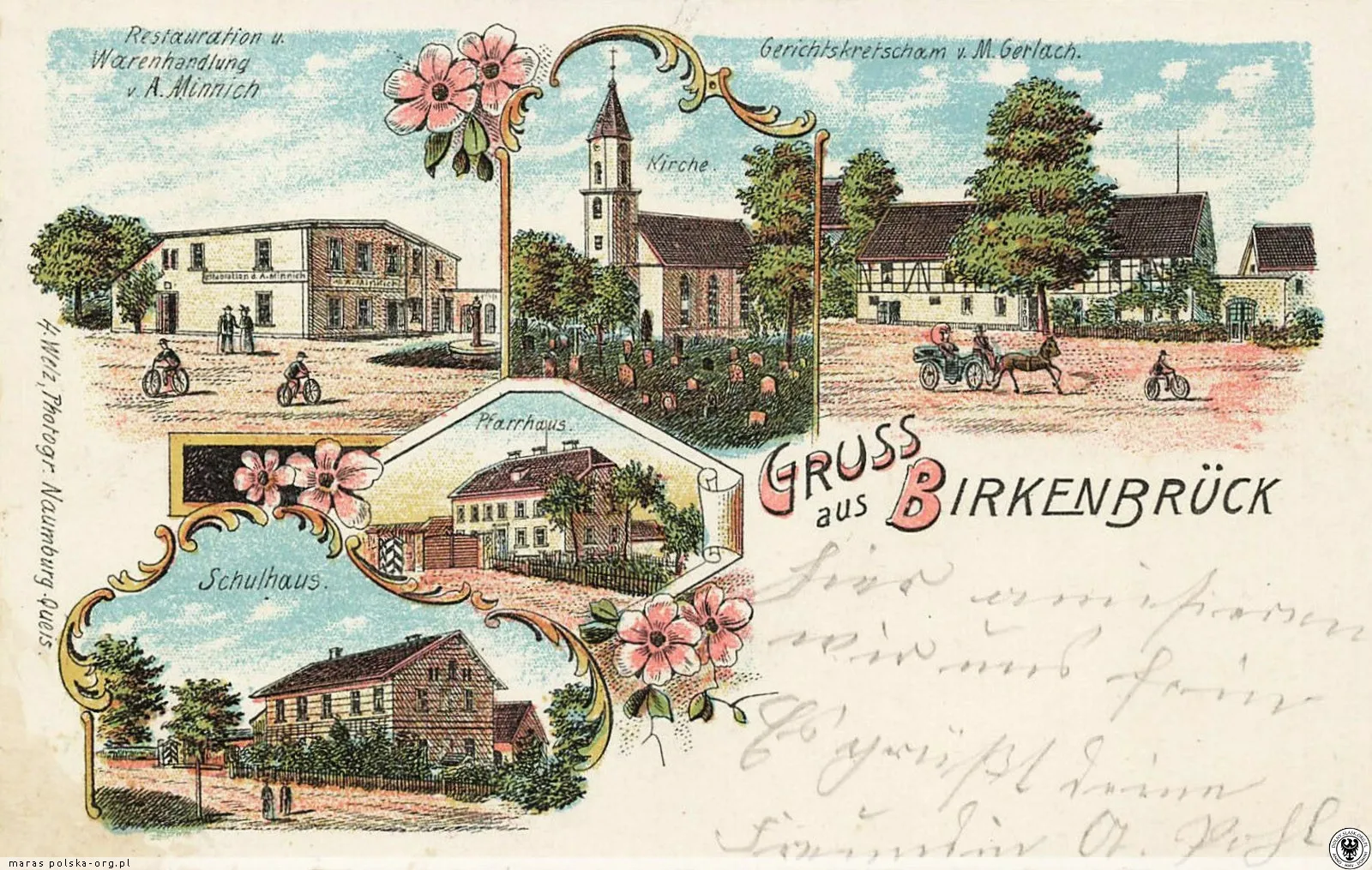
stone baptismal font, older than the current church - moved from the temple dismantled in 1828
one of the oldest elements of the equipment
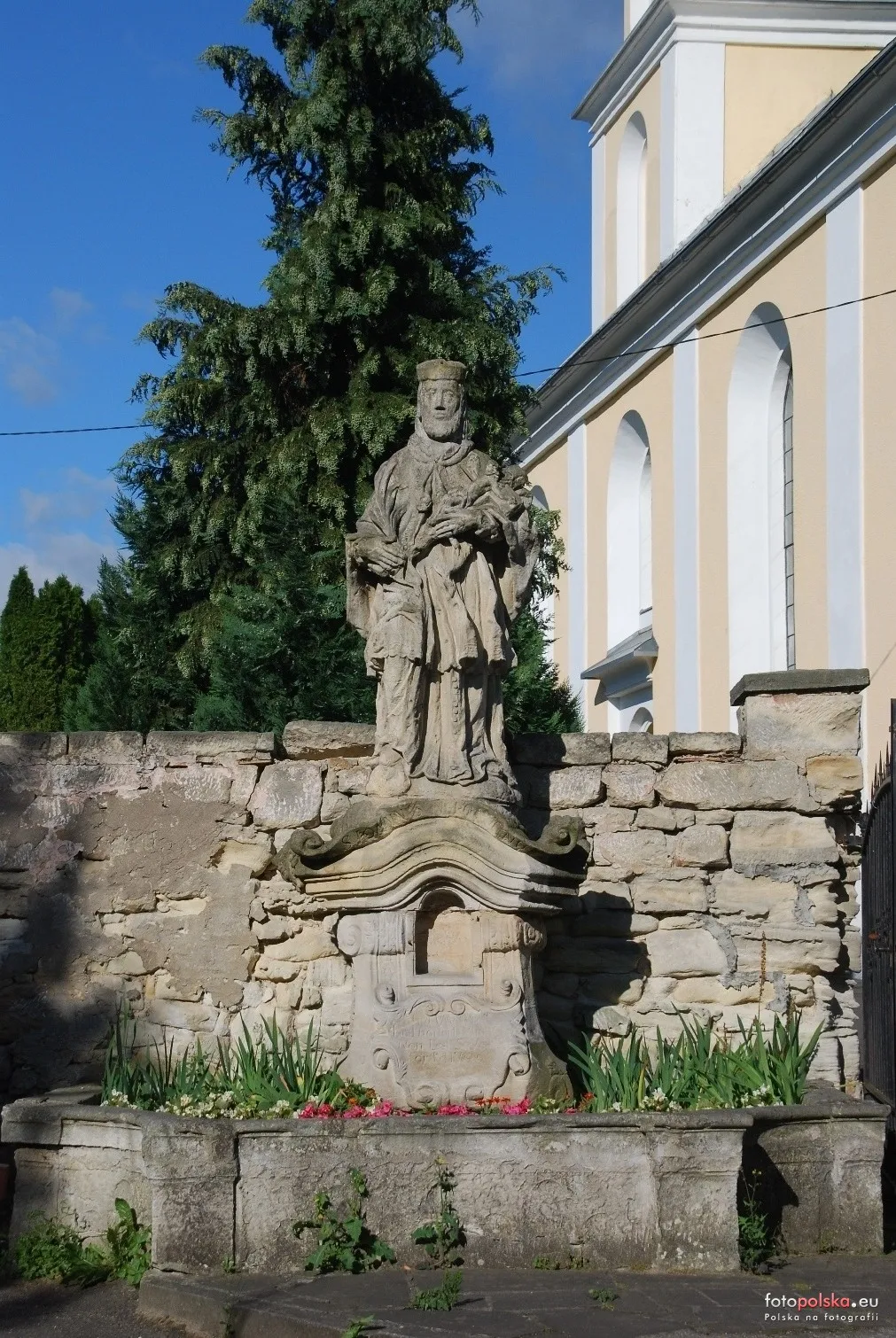
Baroque sculpture by the church wall
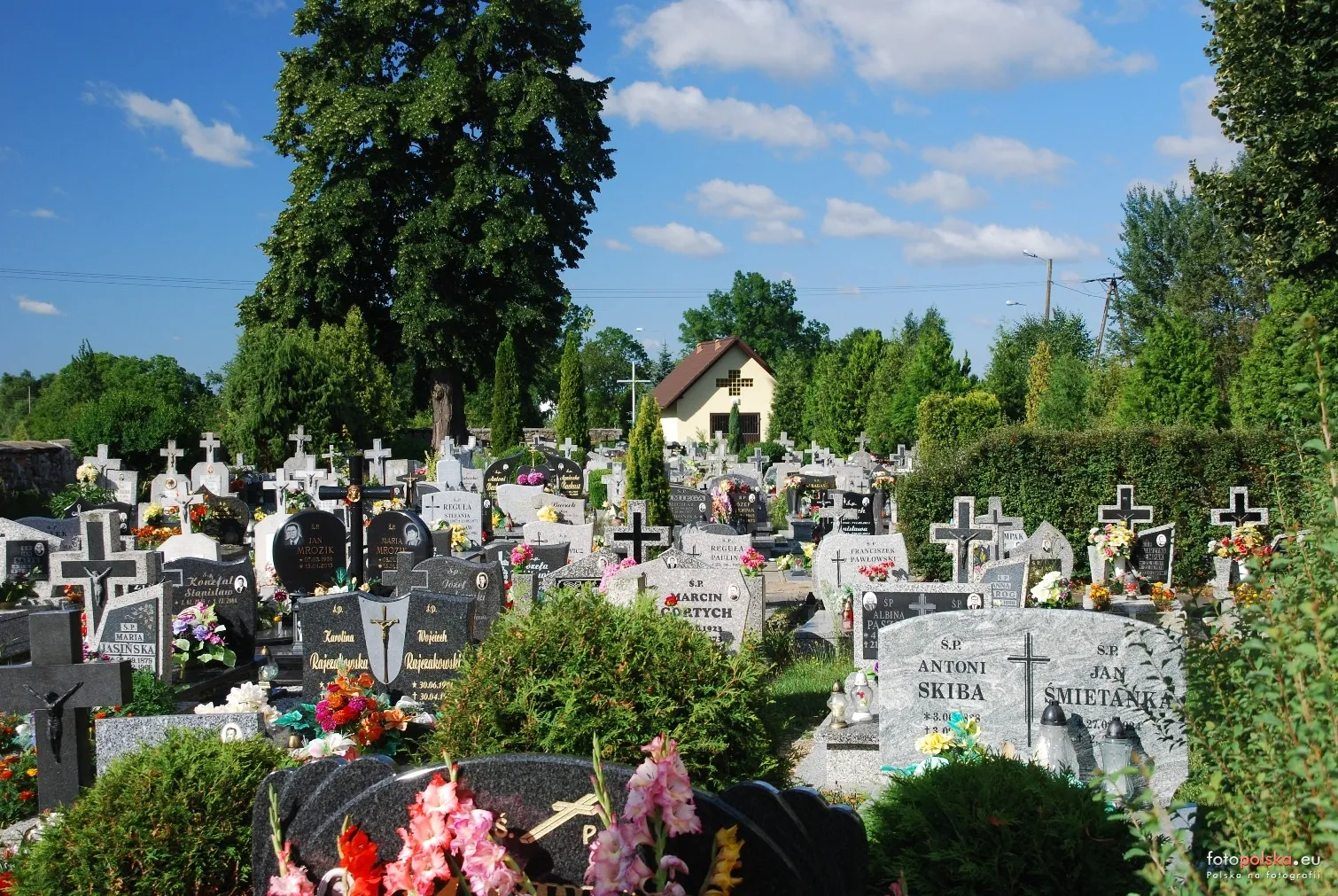
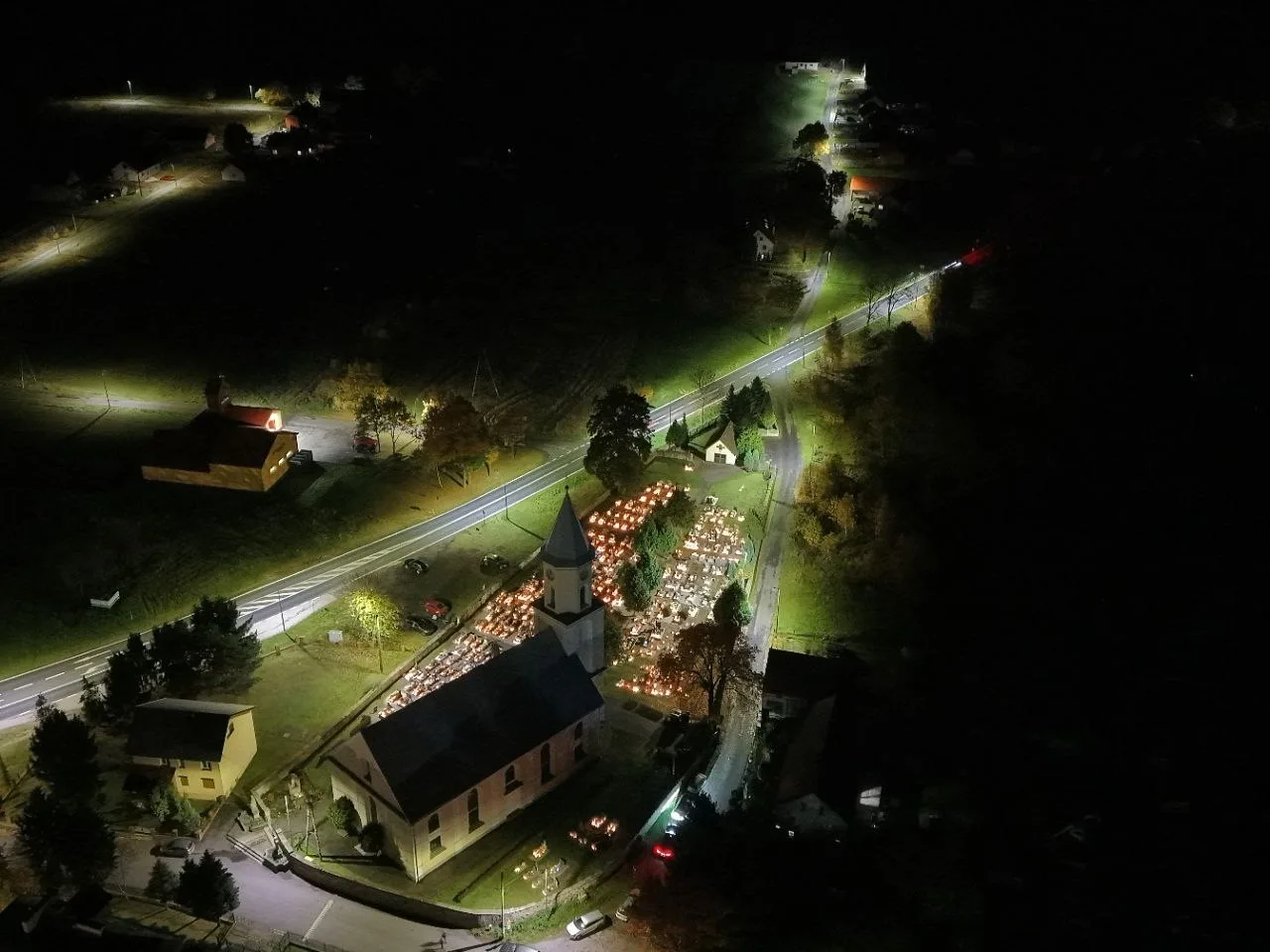
former cemetery around the church with a churchyard chapel; pre-war graves with German inscriptions
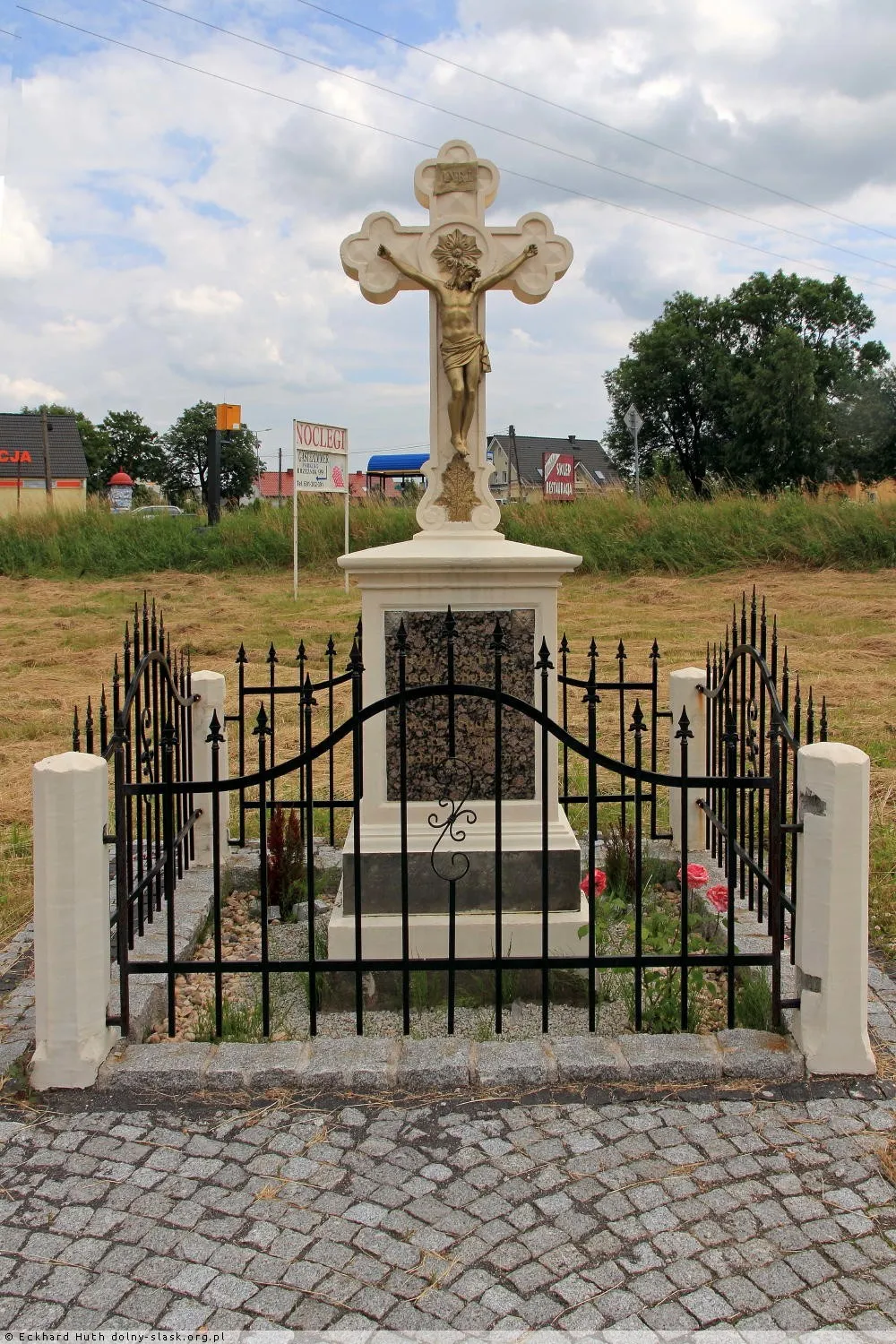
According to TV Łużyce, one of the Polish forced laborers who was tortured to death during the war was buried in the church cemetery. We do not know his name - if you do, please let us know.
Do you have a parish, school or fire brigade chronicle, photos or memories? Write to us via the Contact tab.
Help build the archive
Help preserve the memory of Brzeźnik. Every postcard, document or family story can be a valuable piece of the village's history.